Home › Concrete Sealing and Maintenance
Protect your investment with concrete sealing in Chesapeake, VA. We clean and seal driveways, patios, pool decks, and walkways to resist stains, moisture, and weathering. Our team uses high quality sealers selected for your concrete finish, whether broomed or stamped. Contact us for a concrete maintenance and sealing plan today.
Superior Concrete Chesapeake provides professional concrete sealing throughout Chesapeake, VA, Virginia and the surrounding area. Our licensed, insured crew delivers safe, clean, on-time work with a free estimate before anything begins. Call (757) 780-5778 or request your free quote.
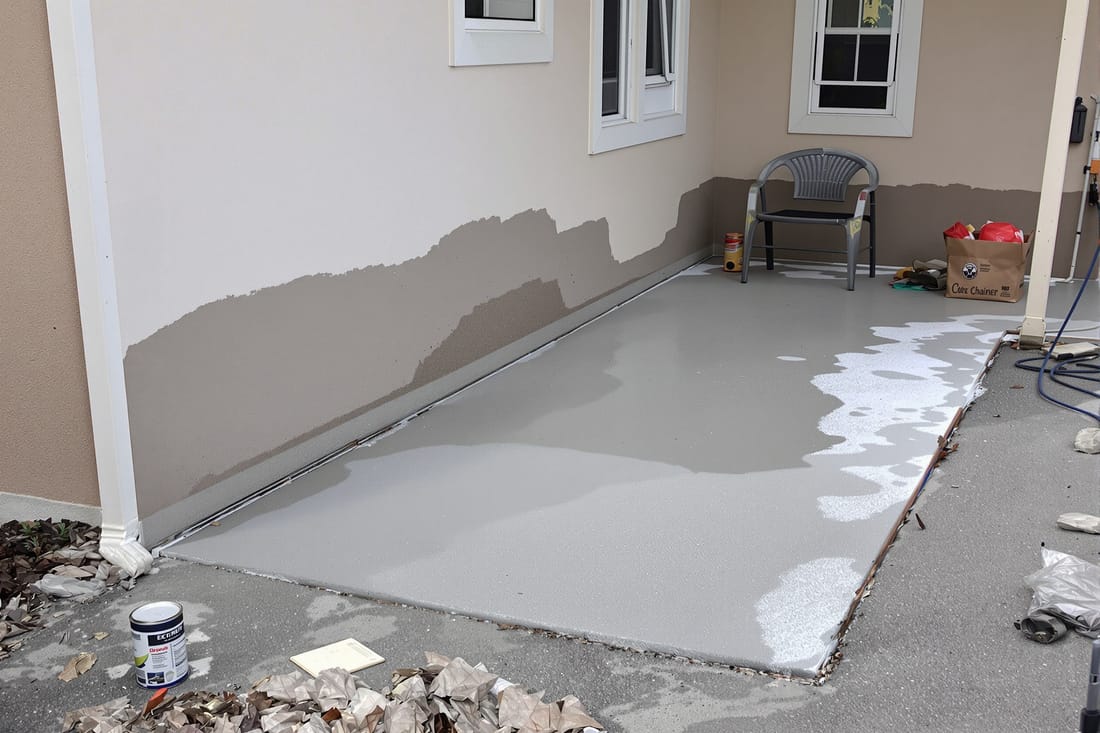
Concrete sealing for Chesapeake driveways, patios, and foundations
In Chesapeake, concrete takes a beating from coastal moisture, summer heat, and the occasional winter freeze. Concrete sealing is how we protect that investment so it stays solid and good-looking instead of cracking, staining, or flaking apart.
At Superior Concrete Chesapeake, we start every concrete sealing job with a close look at the surface. We check for hairline cracks from settling in neighborhoods like Great Bridge and Greenbrier, rust spots around rebar on older 1970s slabs, and any previous coatings that might interfere with a new sealer. This inspection helps us match the right sealer and prep method to your specific driveway, patio, pool deck, or shop floor.
We work on all kinds of concrete common around Chesapeake, including broom-finished driveways, smooth garage slabs, decorative stamped patios, and exposed aggregate around pools. Each type needs slightly different prep and product selection. For example, a stamped patio off Battlefield Blvd might need a tinted sealer to revive faded color, while a flat driveway in Grassfield may just need a clear penetrating sealer for water and salt protection.
Our goal with concrete sealing is simple. Reduce water and chemical penetration, slow down wear from traffic and lawn equipment, and keep stains from soaking in. When it is done correctly, you spend less on repairs, your concrete looks better for longer, and you avoid premature replacement that can run into the thousands.
Step-by-step: how we seal concrete the right way
A long-lasting concrete sealing job comes down to the prep work and application technique. Here is how Superior Concrete Chesapeake typically handles a residential sealing project, start to finish.
1. Evaluation and planning. We confirm the age of the slab, past sealers or coatings, and how you use the area. A basketball-heavy driveway needs more abrasion resistance than a light-use side walkway. If there is a history of moisture issues or efflorescence (white chalky buildup), we plan for extra drying time and possibly a breathable sealer.
2. Deep cleaning. We remove loose dirt and growth with a surface cleaner, then treat oil spots from cars and boats with degreasers that actually pull contaminants out of the pores. For mildew or algae, which are common around shaded yards and near drainage ditches, we use a concrete-safe cleaner to kill growth so it does not bleed through the new sealer.
3. Mechanical prep if needed. If your concrete had a failing sealer or paint, we may need to light grind, scarify, or use a chemical stripper so the new sealer can bond to clean concrete. Skipping this step is why many DIY sealers peel within the first year.
4. Crack and joint repairs. We fill non-structural cracks and re-cut or clean out control joints. For residential slabs in Chesapeake clay soils, we see a lot of shrinkage cracks. Sealing these before coating helps keep water out and reduces future movement.
5. Moisture and weather checks. We do not just look at the sky. We consider humidity, temperature, and the slab moisture level. In our coastal climate, concrete can hold moisture even after the surface looks dry. Putting sealer on a damp slab can cause cloudiness, blushing, or poor adhesion.
6. Sealer application. Based on the plan, we roll, spray, or squeegee the product in controlled coats. For decorative work, we pay extra attention to even coverage so the sheen looks consistent from every angle. On driveways, we focus on uniform penetration rather than a shiny surface, which can get slippery.
7. Drying and cure protection. We set clear timelines for light foot traffic, vehicle traffic, and heavy use. We often recommend keeping vehicles off the slab for at least 24 to 48 hours, depending on the product, temperature, and humidity. We also give you tips on avoiding turning steering wheels while parked during the first week, which can mark some coatings.
Every project is a bit different, but this process keeps problems to a minimum and gives your concrete the best chance at a long, low-maintenance life.
Types of concrete sealers we use in Chesapeake
There is no one-size-fits-all concrete sealer. Superior Concrete Chesapeake selects products based on how the surface is used, its condition, and our coastal Virginia climate.
Penetrating sealers (silane or siloxane blends) are a go-to for driveways, sidewalks, and porches. They soak into the concrete and chemically bond inside the pores, which repels water, de-icing salts, and light chemical spills while leaving the surface looking very natural. These are great if you do not want a shiny finish and prefer a simple, low-slip surface.
Acrylic sealers, usually water based, are common for decorative stamped or colored concrete. They enhance color, add a slight sheen, and provide a sacrificial wear layer that can be refreshed every few years. We often recommend them for stamped patios around pools in areas like Hickory, because they help lock out pool chemicals and make cleanup easier. We adjust the solids content and slip resistance based on whether the area will get a lot of bare feet or outdoor furniture.
For garage floors, workshops, and some commercial spaces, we may recommend a higher-performance system such as a polyaspartic or polyurethane topcoat over a concrete coating system. These are more resistant to hot tire pickup, oil, brake fluid, and equipment traffic than basic hardware-store sealers. They also require more careful prep and controlled application, which we handle with the right grinders, vacuums, and mixing equipment.
We avoid using non-breathable, high build sealers on slabs that still have moisture coming up from below, which is common in low-lying Chesapeake neighborhoods with high water tables. Trapping that moisture can lead to blistering or whitening under the sealer. Instead, we choose breathable systems that let vapor escape while still blocking liquid water from soaking in.
During your estimate, we walk through these options with you in plain language, not product jargon. We explain the pros and cons for your specific situation so you can decide whether you want a natural look, a richer color, extra slip resistance, or maximum chemical resistance.
Concrete maintenance plans: what to expect over the years
Sealing is the starting point, not the whole story. A bit of simple maintenance goes a long way toward keeping your concrete looking good in Chesapeake’s humid, sometimes salty air.
For most residential broom-finished driveways, a high-quality penetrating sealer will last around 3 to 5 years before you need a re-application. The exact timing depends on sun exposure, vehicle use, and how often you use de-icing products in rare icy spells. Stamped and decorative surfaces with acrylic sealers may need refreshing every 2 to 3 years, especially in full sun or around pools where chlorine and furniture dragging wear the coating faster.
We tell customers to watch for early warning signs that it is time to call Superior Concrete Chesapeake back out. These signs include water no longer beading on the surface, a chalky or dull appearance on previously glossy decorative concrete, and darkening in high-traffic tire paths where road grime starts to soak in. Addressing these early makes cleaning easier and keeps the underlying concrete protected.
Routine care between sealing visits is straightforward. Rinse dirt and lawn debris off with a hose or low-pressure wash, especially after pollen season. Clean oil and grease spots as soon as you notice them, because fresh spills are much easier to fully remove. For pool decks, a periodic gentle scrub to remove sunscreen buildup and mildew will help keep the surface safe and slip resistant.
If you see new cracks forming, flaking along the surface, or areas that stay damp long after rain, let us know. These can point to drainage problems, gutter issues, or ground movement that need attention sooner rather than later. We can often patch small issues and adjust your maintenance plan to prevent them from turning into full slab replacements.
Many Chesapeake homeowners schedule a quick inspection and touch-up every couple of years, often when they are already planning other exterior work like power washing or gutter cleaning. We keep records of the products used on your property so we can match or upgrade them at the right time, instead of starting from scratch or guessing at what was applied before.
Cost factors and how to choose a concrete sealing contractor in Chesapeake
Concrete sealing prices in Chesapeake vary, but there are predictable factors that drive the cost. At Superior Concrete Chesapeake, we consider the total square footage, the amount of cleaning or grinding required, the type of sealer or coating system, and how many cracks or repairs are needed. Heavily stained driveways, surfaces with failing sealers, and high-performance systems for garages or shops generally cost more than a simple seal on a newer, clean patio.
Local conditions matter too. Properties near marshy areas or with poor drainage often have more moisture issues and surface damage to correct before sealing. Older homes with 1960s or 1970s concrete may need extra repair because of wear and previous patchwork. Newer subdivisions with wide driveways may benefit from multi-coat systems that handle regular parking of trucks, trailers, or boats.
When you are comparing contractors, look at more than just the price per square foot. Ask what type of sealer is being used, how long it is expected to last in our climate, and what surface preparation is included. A quote that sounds low because it does not include proper cleaning, crack repair, or removal of old failing sealer can end up costing you more when the job peels or fails early.
We encourage Chesapeake homeowners to ask a few specific questions, such as: Will you test for previous sealers before applying a new one. How do you manage moisture in shaded or low-lying areas. What is your plan for traction on sloped driveways and pool decks. Clear answers to these questions separate experienced concrete specialists from general handymen.
Superior Concrete Chesapeake provides written estimates that spell out the prep steps, products, number of coats, and expected cure times. We schedule work around local weather patterns as much as possible and maintain communication so you know exactly when you can walk or drive on your concrete again. That way you get a sealing and maintenance plan that is realistic for your budget and your property, without surprises later.