Home › Concrete Steps and Stoops
Improve the safety and look of your entry with new concrete steps in Chesapeake, VA. We build front stoops, porch steps, and side entry stairs with proper riser heights and treads. Our team can integrate railings and decorative finishes to match your home. Contact us for a free quote on concrete steps and stoops today.
Superior Concrete Chesapeake provides professional concrete steps throughout Chesapeake, VA, Virginia and the surrounding area. Our licensed, insured crew delivers safe, clean, on-time work with a free estimate before anything begins. Call (757) 780-5778 or request your free quote.
Concrete Steps and Stoops Built for Chesapeake Homes
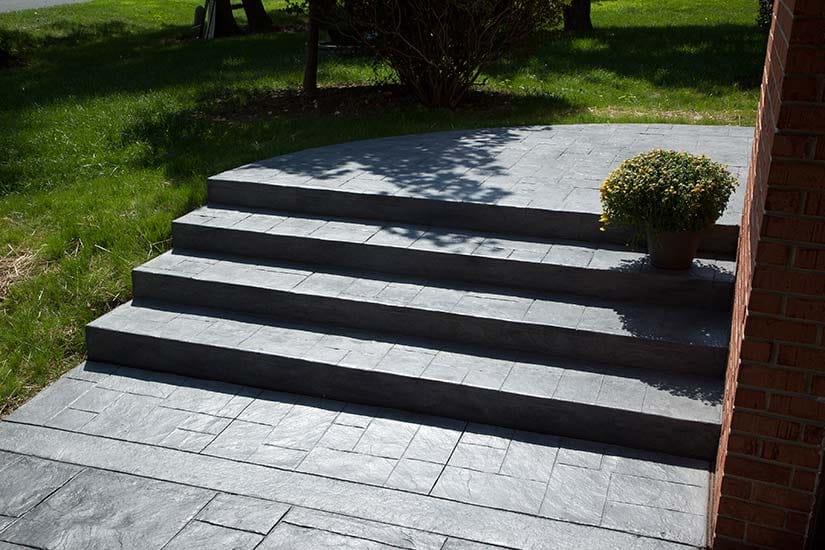
Concrete steps are not just something you walk on. They are one of the first things people notice when they approach your home or business. At Superior Concrete Chesapeake, we focus on building concrete steps and stoops that handle Chesapeake’s hot summers, damp winters, and occasional coastal storms without cracking apart in a few years.
Most of our step projects in Chesapeake involve replacing old brick, rotted wood, or settled block steps that have become uneven or unsafe. We look at how water moves around your entry, how high the door threshold is, and how people actually use the entrance. That way, the new steps are not only solid but comfortable to walk on every day.
We work across Chesapeake neighborhoods from Great Bridge and Greenbrier to Deep Creek and Western Branch. Soil conditions and drainage patterns change from one area to another, so the way we design the base, thickness, and reinforcement on your concrete steps changes too. Our goal is to give you a set of steps and a stoop that still look straight and tight at the joints ten or more years from now, not just in the first season.
How We Install Concrete Steps and Stoops (Start to Finish)
A proper set of concrete steps starts with accurate measurements. We begin with a site visit, measure the rise from the walkway or driveway to the threshold, then divide that into even step heights. This keeps you from having one short step and one tall step, which is a tripping hazard and a common DIY mistake.
Next, we demo and remove the existing steps or stoop if there is one. We break up old concrete or masonry, haul it off site, and inspect what is underneath. In many Chesapeake homes, especially older ones, we find thin slabs poured on loose fill soil. That is one reason you see settling and tilting over time.
Once the old material is out, we excavate to a depth that allows for a compacted stone base. We typically place and compact 4 to 6 inches of crushed stone, more if the soil is soft or previously disturbed. This base helps with drainage and keeps the concrete from shifting in wet or clay-heavy areas.
We then build forms for the steps and stoop with straight, braced lumber. The forms define the exact width, depth, and height of each tread and riser. At this stage, we also plan any slope for water runoff and set sleeves for future railings if you are adding them later.
Steel reinforcement is placed next. For most residential steps in Chesapeake, we use rebar tied in a grid pattern or heavy wire mesh, raised on chairs so it sits inside the concrete, not on the soil. Rebar is especially important on steps that are not supported fully by soil on one side, like steps that project out from a raised porch.
We then pour concrete, typically a 3,500 to 4,000 psi mix suited to our climate. During placement, we work the concrete into corners and under rebar, then screed and trowel it to the agreed finish. Control joints and edges are cut or formed while the concrete is still workable. Finally, we cure the concrete properly using either curing compound or a moist cure method, which is critical in our hot Chesapeake sun.
Finish Options, Rail Prep, and Design Choices
Concrete steps do not all have to look alike. Superior Concrete Chesapeake walks you through specific options that actually make sense for our local conditions.
First is the tread finish. For homes, we often recommend a broom finish on treads with slightly rounded edges to reduce slipping in rain or frost. Smooth trowel finishes may look sleek but can get slick when wet, so we only suggest them in covered or commercial applications and typically still add a light texture.
You can also choose integral color or surface treatments. If you want something that ties in with brick, siding, or stone veneer, we can tint the concrete in earth tones like buff or light gray. For higher-end entries, we can apply a stamped border on the landing or stoop or even overlay the steps later with decorative resurfacer once the concrete has cured properly.
Railings are another key factor. By code, many Chesapeake steps that have more than a small rise require a handrail. We coordinate with railing installers by setting metal sleeves or embedded plates in the concrete at the time of the pour, instead of drilling into hardened concrete later and risking cracks or water intrusion.
If you have a small stoop that tends to collect water at the door, we can adjust the pitch of the top surface slightly away from the threshold and cut a shallow drip groove so water does not run back toward your interior floor. On coastal side of Chesapeake where wind-driven rain is common, small details like this can prevent long-term damage to door sills and framing.
Local Factors in Chesapeake That Affect Your Concrete Steps
Chesapeake has a mix of clay, sand, and fill soils, and they do not all behave the same under concrete. In areas with more expansive clay, such as parts of Deep Creek, soil can swell when wet and shrink when dry. This movement can push on the bottom of steps and cause hairline cracks or shifting over time. To reduce this risk, Superior Concrete Chesapeake uses thicker bases, better compaction, and in some cases a deeper footing for taller stoops.
Groundwater and drainage matter as well. If your gutters dump water next to your front steps or the grading slopes toward the stoop, you will see more freeze-thaw stress and possibly erosion around the concrete. We look at how water flows and may recommend minor grading corrections, downspout extensions, or a simple drain near the bottom of the steps so you are not pouring new concrete into the same problem.
Timing is another local factor. In the Chesapeake area, the most predictable window for exterior concrete work is typically late March through early June and then again from late September through early November. We can pour nearly year-round, but in peak summer heat we often schedule early morning pours so the surface does not dry too quickly in direct sun and wind. Rapid surface drying can cause shrinkage cracks and weak top layers if not handled correctly.
Along waterfront or low-lying properties, salt exposure and constant moisture can shorten the life of poorly mixed or thin concrete. We address this by using the right mix strength, air entrainment where appropriate, and proper curing so your steps hold up to the local environment instead of spalling and flaking in a few winters.
What Drives Cost and How We Help You Control It
The cost of new concrete steps and stoops in Chesapeake depends on a few specific items, not guesswork. The first driver is size and height. A simple three-step entry with a small landing and easy access will cost less than a tall stoop that needs extensive forming, deeper footings, or walls on the sides.
Demolition and access are next. Removing a thick, steel-reinforced concrete stoop attached to brick can take more time and disposal than breaking up loose block or wood framing. Tight access, like narrow side yards or steep driveways, can also increase labor because we may have to move material by wheelbarrow instead of equipment.
Soil and base preparation matter too. If we find soft fill, organic material, or old buried debris under your existing steps, we need to dig deeper and bring in additional stone to create a stable base. This adds to the upfront cost but prevents sinking or separation where the steps pull away from the house.
Finish choices impact pricing as well. Plain broom-finished gray concrete is the most economical option. Adding color, exposed aggregate, or decorative borders increases both material and labor time. We break these options out clearly so you can decide what is worth paying for based on the look you want and your budget.
Superior Concrete Chesapeake provides written estimates with line items for removal, base work, forming, reinforcement, concrete placement, and finishes. That way you see exactly where your money is going and can make informed adjustments, like simplifying a border detail or shortening a side wing wall to meet your budget without sacrificing structural quality.
What to Know Before You Hire a Concrete Contractor for Steps
When you hire someone to build concrete steps at your Chesapeake property, you are trusting them with both safety and curb appeal. There are a few things you should always check before you sign a contract.
Ask how they calculate riser heights and tread depths. Uneven steps cause trips and are a major complaint we hear when we replace other contractors work. There should be a clear plan with consistent measurements that meet local code.
Find out what base and reinforcement they use. A contractor who skips compaction or rebar to shave time is inviting future settling and cracking. For Chesapeake conditions, a compacted stone base and appropriate steel reinforcement are basic requirements, not upgrades.
Discuss drainage and how water will be handled. Your new steps should not create a puddle at your door or send water directly toward your foundation. A competent contractor will talk about slope, gutters, and nearby grading, not just the concrete itself.
Ask about curing practices and access timing. You should know when you can walk on the steps, when heavy loads should be avoided, and if any sealing is recommended. Proper curing in our climate can add years to the life of your steps.
Superior Concrete Chesapeake is glad to walk you through these points in plain language during an on-site visit. We focus on building concrete steps and stoops that make everyday use comfortable, keep your entry safe, and stand up to the specific conditions we see here in Chesapeake, Virginia.